10 things you can't miss in Serra da Estrela
These 10 things you can't miss in Serra da Estrela bring together mainland Portugal’s highest point, glacier-carved valleys, mountain villages and distinctive local food. This Serra da Estrela travel guide explains what deserves your time, which stops combine comfortably and why an overnight stay makes such a difference.
10 things you can't miss in Serra da Estrela: where to go
01Torre
At 1,993 metres, Torre marks the highest point in mainland Portugal, with a road reaching the summit area and views across the mountain plateau when visibility allows. Bring a windproof layer even in summer, and let the weather determine your timing: low cloud can obscure the landscape completely.
02Lagoa Comprida
This high-altitude reservoir is one of the mountain’s most recognisable waterscapes, bordered by exposed granite and open upland terrain. Make time for a short walk near the accessible shore, but do not mistake photographs of Covão dos Conchos for a roadside stop: reaching that separate site requires a substantial walk across exposed ground.
03Covão d’Ametade
Beneath the steep granite slopes near the head of the Zêzere valley, this glacial basin has birch trees, streams and a noticeably different atmosphere from the bare summit plateau. Visit early for quieter paths and softer light, and wear shoes with grip because shaded ground can stay wet or icy.
04Vale Glaciar do Zêzere
The great U-shaped valley leading towards Manteigas is one of Portugal’s clearest examples of a landscape sculpted by glaciers. Follow the mountain road between Covão d’Ametade and Manteigas for changing perspectives, stopping only at suitable pull-offs rather than on bends or narrow shoulders.
05Manteigas
This mountain town makes a rewarding base for exploring the Zêzere valley and understanding the region’s wool-working heritage, including burel, a dense traditional wool fabric. Leave time for the town itself rather than treating it only as an overnight stop; ask ahead about textile visitor spaces because production access and opening hours vary.
06Poço do Inferno
Near Manteigas, this waterfall on the Ribeira de Leandres drops roughly 10 metres through a rocky, wooded setting. Water flow is generally more impressive after rain, but the narrow approach road and potentially slippery paths make dry, settled conditions preferable for an unhurried visit.
07Sabugueiro
At roughly 1,050 metres, Sabugueiro is a granite-built mountain village on the road between Seia and the higher plateau. Step beyond the roadside shops to see the older village lanes, and ask about the origin of any cheese you buy: genuine Queijo Serra da Estrela DOP is made with sheep’s milk and cardoon-derived coagulant.
08Seia and Museu do Pão
On the western side of the range, Seia is home to the Museu do Pão, which explores Portuguese bread through its production, traditions and cultural history. It is a useful lower-altitude stop before climbing into the mountains, particularly with children or uncertain weather; check current opening hours before building your day around the museum.
09Linhares da Beira
This historic village on the northwestern flank of Serra da Estrela combines granite houses, cobbled lanes and a medieval castle overlooking the surrounding countryside. Allow time to walk uphill through the village rather than stopping only for a castle photograph, and choose sturdy footwear for uneven paving.
10Belmonte
On the eastern side of the region, Belmonte connects the story of navigator Pedro Álvares Cabral with the enduring history of its Jewish community. Visit the castle area and Museu Judaico, but check museum and synagogue visiting arrangements separately: cultural opening hours and religious access are not necessarily the same.

Trusted across Portugal and Spain
Journeys backed by 1,300+ verified reviews
Consistently five-star rated since 2012, Portugal Magik is a TripAdvisor Hall of Fame recipient. Our Portugal Ambassadors bring local knowledge, thoughtful service and dependable private travel to every journey.

Travel with Portugal Magik
Explore Portugal in a Mercedes-Benz V-Class
For smaller groups, a private V-Class offers a comfortable way to travel between places, with an English-speaking driver, door-to-door pickup and a flexible itinerary planned with our team. Vehicle choice depends on your group and availability.
Plan a personalized journey →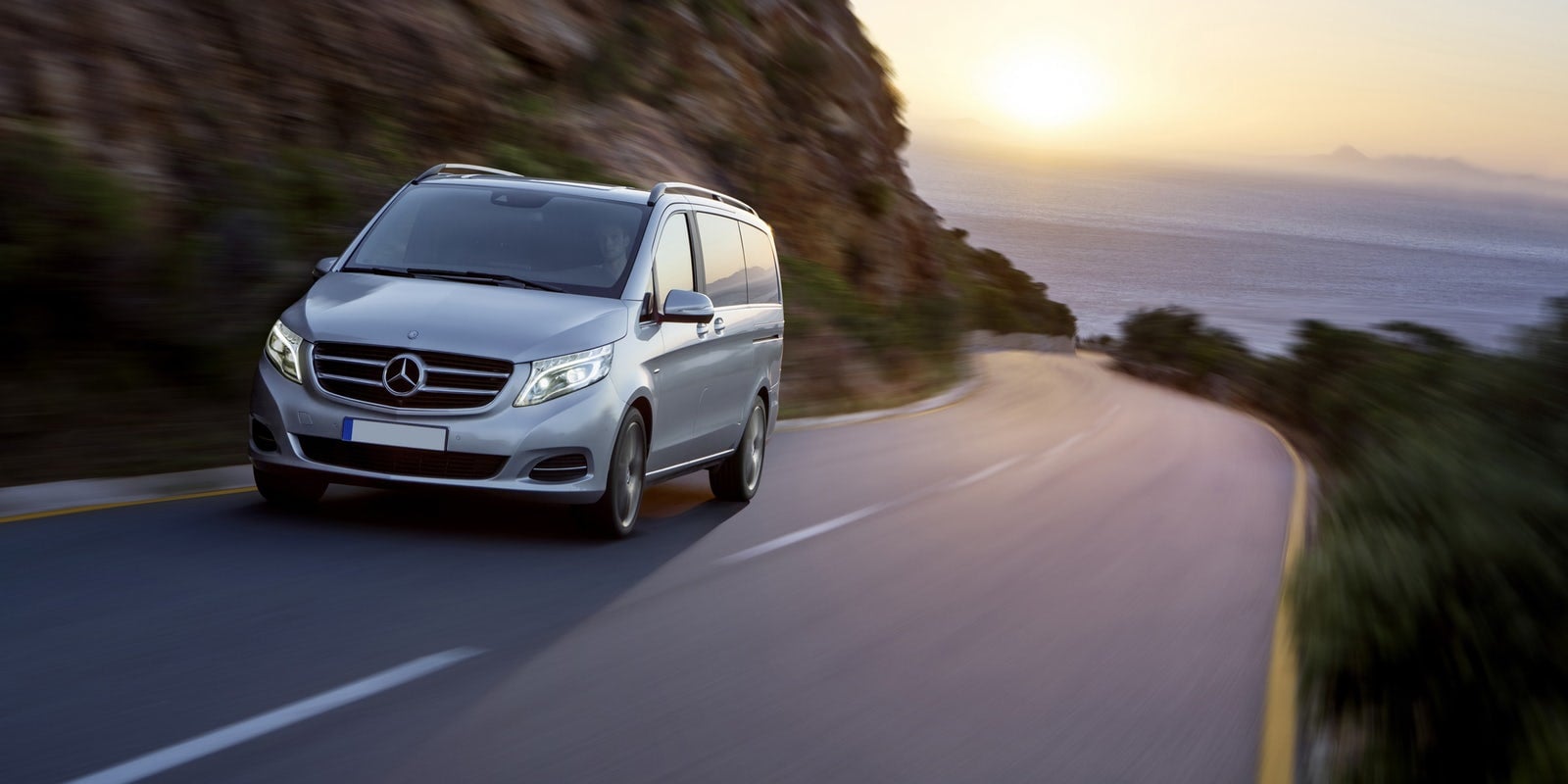
How to combine the highlights without rushing
The most important planning decision is where you start. Serra da Estrela is not a compact sightseeing circuit, and mountain roads take longer than distances on a map suggest. From Lisbon, allow roughly 3½–4½ hours each way to different gateways or mountain bases, before substantial sightseeing; a summit-focused visit can take longer. For a relaxed journey from Lisbon, staying overnight is far more rewarding than attempting all ten stops in one day.
A private day from a local base: Starting in Manteigas, follow the Zêzere glacial valley to Covão d’Ametade, continue to Torre if the road and visibility permit, and add Lagoa Comprida if you are comfortable with a longer mountain circuit. Keep lunch unhurried and leave Poço do Inferno for another morning rather than adding it automatically. Your Portugal Ambassador—a knowledgeable local English-speaking driver-guide from Portugal—can help adapt the sequence to conditions and your walking preferences.
A relaxed four-day journey from Lisbon: On day one, travel to Seia for the Museu do Pão and continue to Sabugueiro, staying on the western side of the range. On day two, link Lagoa Comprida, Torre and Covão d’Ametade, then descend through the Zêzere valley to Manteigas. This is the most mountain-focused day, so protect time for viewpoints rather than adding museum visits.
On day three, explore Manteigas and, if access conditions suit, Poço do Inferno before continuing to Belmonte for its castle and Jewish heritage. Stay in Belmonte or the surrounding area. On day four, visit Linhares da Beira before returning to Lisbon; keep the village visit leisurely and recognise that the return transfer still occupies a substantial part of the day.
With only two days, choose either the western gateway and high plateau or Manteigas and the eastern heritage towns. Trying to include every attraction undermines the quiet walks and long valley views that make these Serra da Estrela highlights worthwhile.
Portugal Magik offers private Mercedes-Benz transfers and private day or multi-day tours with an English-speaking driver, door-to-door pickup and flexible itineraries. A private Mercedes-Benz V-Class is a comfortable option for smaller groups on these longer journeys, subject to availability. Ask for a personalized route based on your starting address, available nights and preferred balance of scenery, village walks and cultural visits.
Best time to visit and practical insider tips
May–June and September–October usually offer a good balance for sightseeing, with longer walking opportunities outside the busiest summer period. Conditions still change rapidly with altitude: sunshine in Seia does not guarantee clear skies at Torre, and late cold spells can affect higher roads.
July and August bring long days and generally easier access to the plateau, but exposed walks can be hot and shade is limited. Visit the highest, most exposed places earlier in the day when practical, carry water and sun protection, and keep a warmer layer available. Manteigas and the wooded waterfall area provide a different landscape, though they are not automatically cool or quiet.
Winter is appealing for snow-covered scenery, but snow is not guaranteed on a particular date. Roads to Torre can close because of snow or ice, and busy snow weekends can bring substantial traffic. Plan an alternative day around lower-altitude towns and museums rather than making the summit the sole purpose of your journey.
For food, look for Queijo Serra da Estrela DOP, requeijão and regional dishes such as cabrito assado where available. Cheese varies in texture and maturity, so ask before buying rather than assuming every wheel will have the same soft centre. A leisurely restaurant lunch works best when it is planned into the route, not squeezed between distant stops.
Carry comfortable shoes with grip, layers and a waterproof jacket. Download essential information before heading higher, as mobile coverage can be uneven. Stay on established paths, respect grazing animals and local dogs, and do not approach livestock for photographs.
Check museum schedules, current mountain-road access and the forecast shortly before travelling. An English-speaking driver makes the logistics easier, but weather and road restrictions still determine what is sensible. Established in 2012, Portugal Magik can help you shape a personalized private itinerary with realistic travel time and room to adjust the sightseeing sequence.
Your route
Direct or with stops
Tell us where you would like to pause along the way and we shape the day around it.
Request a proposal →Your pace
One day or several
Spread the journey over a few days with overnight suggestions from our team.
Request a proposal →Your Ambassador
A local by your side
An English-speaking driver-guide from Portugal in a private Mercedes-Benz.
Request a proposal →★★★★★ 1,300+ verified reviews · TripAdvisor Hall of Fame · Since 2012
Keep exploring
Related journeys and routes
The top places to visit in the Alentejo
The top places to visit in the Alentejo range from Évora’s Roman temple and Monsaraz’s hilltop walls to Atlantic beaches around Vila Nova de Milfontes. Give this spacious region time: its most rewarding journeys leave room for a shaded square, a long lunch and one more castle view.
Read more →The best things to do in Évora: 10 places worth your time
The best things to do in Évora bring together Roman remains, medieval streets, remarkable churches and the generous cooking of the Alentejo. This guide explains what deserves your time, how to avoid an overpacked day and where a private driver makes exploring easier.
Read more →A practical guide to sightseeing in Sintra
The pleasure of sightseeing in Sintra lies in giving its palaces, wooded paths and extraordinary gardens enough time. Around 30 kilometres from Lisbon, this UNESCO-listed cultural landscape rewards a carefully paced visit rather than a race between entrances.
Read more →Frequently Asked Questions
Personalized and without obligation
Speak with a travel designer
1,300+ five-star reviews · TripAdvisor Hall of Fame · Trusted since 2012 · Mercedes-Benz fleet